

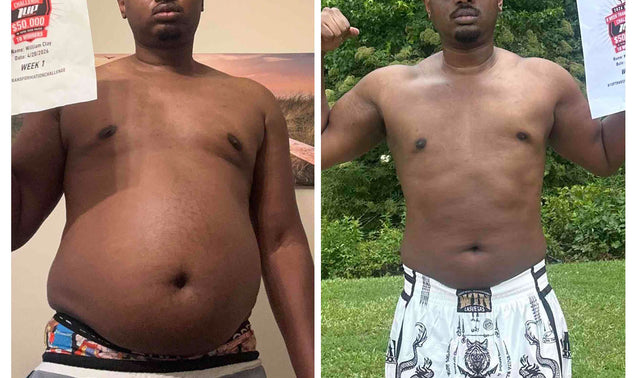


There is a version of fat loss that most people have experienced and nobody talks about honestly. The scale goes down. The clothes fit differently. But standing in front of the mirror, something is off. The body is smaller but not more defined. The muscle that should be revealed as the fat comes off is not quite there. The result is lighter but somehow softer than expected.
This is not a mystery. It is the predictable outcome of fat loss that does not specifically address muscle preservation. And it is one of the most common and most frustrating outcomes in fitness because people do everything right on the caloric side and still end up with a result that does not match the goal.
Here is why it happens, and what the supplement strategy that prevents it actually looks like.
Why Muscle Loss Happens During Fat Loss
When your body is in a caloric deficit, it needs to find energy from somewhere beyond what you are eating. Ideally, that energy comes exclusively from stored body fat. In reality, the body draws on multiple sources simultaneously.
Fat stores release fatty acids into the bloodstream for fuel. But muscle tissue, particularly during periods of physical stress like training, is also broken down through a process called muscle protein catabolism. The rate of this catabolism is influenced by protein intake, training stimulus, hormonal environment, and the availability of specific compounds that either promote or inhibit muscle protein degradation.
Research estimates that under typical caloric restriction without specific intervention, anywhere from 25 to 39% of total weight lost comes from lean tissue rather than fat. That means if you lose 10 pounds, potentially three to four of those pounds are muscle, not fat. Over a meaningful fat loss phase, the cumulative muscle loss can be significant enough to measurably change your body composition in the wrong direction even as the total weight drops.
This is the problem that a thoughtful supplement strategy directly solves.
The Three-Part Strategy
Preventing muscle loss during fat loss while simultaneously improving body composition requires addressing three things at the same time: maintaining a strong training stimulus so the body has a reason to preserve muscle, protecting muscle tissue from catabolism at the cellular level, and supporting fat oxidation so the body is efficiently burning fat rather than relying on tissue breakdown.
1UP Creatine + Tone and Define addresses all three in a single formula.
Creatine: Maintaining Training Quality During a Deficit
One of the less-discussed consequences of caloric restriction is reduced training performance. When you are eating less, your energy levels are lower, your recovery is slower, and the quality of your training sessions often drops along with your caloric intake. When training quality drops, the stimulus for your muscles to maintain their size and strength drops with it.
Creatine monohydrate at 5g daily specifically counteracts this. By increasing the phosphocreatine available in muscle cells for ATP regeneration during high-intensity effort, creatine maintains training capacity even when caloric intake is reduced. You can continue training with the intensity and volume that signals to your body that lean muscle needs to be preserved, regardless of the caloric environment.
Research confirms that creatine supplementation during caloric restriction preserves training performance in ways that placebo does not, and that this training quality preservation is directly associated with better lean mass outcomes during fat loss phases.
HMB: Directly Inhibiting Muscle Protein Breakdown
Calcium HMB at 1,500mg is the most targeted anti-catabolic ingredient in this formula. HMB, beta-hydroxy beta-methylbutyrate, is a metabolite of leucine that specifically inhibits the ubiquitin-proteasome pathway, the primary cellular mechanism through which muscle protein is degraded.
When HMB is present at adequate concentrations, the rate of muscle protein breakdown is reduced. The balance between muscle protein synthesis and muscle protein breakdown shifts toward preservation and growth rather than degradation. Research on HMB during caloric restriction shows that subjects supplementing HMB preserve significantly more lean muscle mass than controls in the same caloric deficit, meaning a much higher proportion of total weight lost comes from fat.
For someone in a fat loss phase, HMB is the ingredient most directly solving the core problem. It is not improving training performance, though that is happening through creatine. It is specifically and mechanistically preventing the muscle tissue you have worked to build from being broken down as fuel during your diet.
1UP Creatine + Tone and Define delivers HMB at 1,500mg per serving, consistent with the doses used in the research showing meaningful anti-catabolic effects.
CaloriBurn: Increasing Fat Burning Without Adding Stimulants
If the goal of a fat loss phase is to lose fat rather than just weight, then the rate of fat oxidation matters as much as the caloric deficit itself. CaloriBurn GP, a patented extract from Grains of Paradise standardized to 12.5% 6-paradol, increases fat oxidation through the activation of brown adipose tissue, the type of fat that burns calories to generate heat.
Clinical research on CaloriBurn shows increased whole-body energy expenditure and specific reduction in visceral fat, without any stimulant mechanism. No elevated heart rate, no jitteriness, no crash, and no tolerance buildup. The fat-burning is cellular and consistent as long as supplementation is maintained.
In the context of a body recomposition strategy, CaloriBurn addresses the fat loss side of the equation while creatine and HMB address the muscle preservation side. All three together create a physiological environment in which losing fat and maintaining or building lean muscle are happening simultaneously rather than competing with each other.
What the Result Looks Like
When these three mechanisms are working together consistently over weeks and months, the body recomposition outcome is meaningfully different from what caloric restriction alone produces.
Less of the weight lost is muscle. More is fat. The lean muscle that was preserved by HMB and maintained through creatine-supported training is now revealed as the fat covering it is reduced by CaloriBurn-enhanced thermogenesis. The result is the lean, defined, stronger body that was the goal all along, rather than the lighter but softer outcome that fat loss without this strategy too often produces.


