

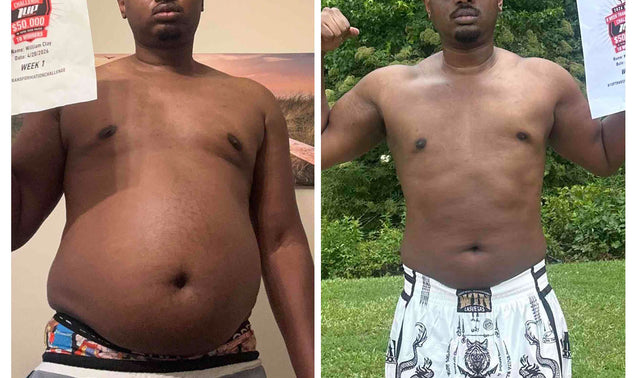


1. Builds and Repairs Lean Muscle Tissue Protein provides the essential amino acids required for muscle protein synthesis, the biological process that repairs exercise-induced muscle damage and builds new lean tissue. Research consistently shows that adequate protein intake alongside resistance training produces significantly greater gains in lean muscle mass and strength than training alone.
2. Burns More Calories Just by Being Digested Protein has the highest thermic effect of any macronutrient, burning up to 30% of its own calories during digestion and metabolism. Carbohydrates burn 5 to 10% and fat burns 0 to 3%. This means a 100-calorie serving of protein only contributes 70 to 80 net calories to your daily total, making it the most calorie-efficient macronutrient for anyone managing body weight.
3. Reduces Hunger and Controls Appetite Protein is the most satiating macronutrient. It reduces ghrelin, the hunger hormone, while increasing peptide YY and GLP-1, the hormones that signal fullness. Clinical studies show that higher protein diets lead to a spontaneous reduction in overall caloric intake, meaning people naturally eat less without counting calories or deliberately restricting food.
4. Preserves Lean Muscle During Fat Loss During a caloric deficit, the body breaks down both fat and lean muscle for fuel. Adequate protein intake directly reduces muscle catabolism during weight loss, ensuring a greater proportion of weight lost comes from fat rather than lean tissue. Research estimates that people on high-protein diets preserve significantly more lean mass during caloric restriction compared to those on lower-protein diets.
5. Supports Bone Density and Long-Term Skeletal Health Contrary to older concerns about protein and bone loss, current research consistently shows that higher protein intake is associated with greater bone mineral density and reduced fracture risk. Protein makes up approximately 50% of bone volume and one-third of bone mass, and adequate intake is essential for maintaining skeletal integrity particularly as people age.
6. Lowers Blood Pressure Multiple randomized controlled trials have found that increasing dietary protein, particularly from high-quality sources, produces meaningful reductions in systolic and diastolic blood pressure. A meta-analysis of 40 randomized trials found that higher protein diets reduced systolic blood pressure by an average of 1.76 mmHg and diastolic blood pressure by 1.15 mmHg compared to lower-protein control diets.
7. Improves Body Composition Without Exercise While protein combined with resistance training produces the most dramatic body composition improvements, research shows that higher protein intake improves body composition even without changes to exercise habits. Studies have demonstrated reductions in fat mass and preservation or modest increases in lean mass from protein supplementation alone, with effects most pronounced in people who are overweight or physically inactive.
8. Speeds Recovery and Reduces Muscle Soreness Post-exercise protein intake accelerates the repair of exercise-induced muscle damage, reduces markers of inflammation, and decreases the severity and duration of delayed-onset muscle soreness. Athletes consuming adequate protein recover faster between sessions, can train more frequently, and accumulate more total training volume over time than those with inadequate protein intake.
9. Supports Immune Function Antibodies, cytokines, and immune signaling proteins are all composed of amino acids derived from dietary protein. Protein deficiency is one of the most well-established causes of impaired immune function globally, reducing the body's ability to produce immune cells, mount inflammatory responses to pathogens, and heal from infection or injury. Adequate protein intake is foundational to a functioning immune system at every age.
10. Slows Age-Related Muscle Loss and Metabolic Decline Sarcopenia, the progressive loss of lean muscle mass with age, begins in the mid-30s and accelerates significantly after 60. It is directly associated with reduced metabolic rate, increased body fat, physical frailty, and reduced quality of life. Research shows that higher protein intake, particularly when combined with resistance training, is one of the most effective interventions for slowing sarcopenia and preserving the lean muscle, strength, and metabolic function that determine how well people age.


