

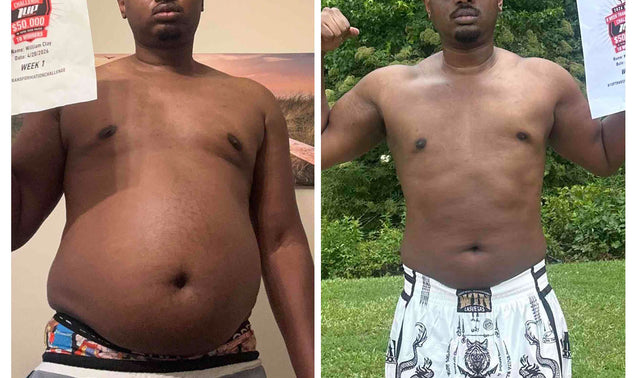


If you have spent any time researching supplements for fat loss, body recomposition, or lean muscle, you have probably come across the same names repeatedly. Creatine. Protein. BCAAs. Caffeine. These are the familiar players in the performance supplement conversation, and most of them are familiar because they have been marketed aggressively for decades.
HMB is not one of those. It is less well-known, less frequently marketed, and carries a fraction of the brand recognition of the supplements listed above. And yet, for the specific goal of losing fat while preserving or building lean muscle, HMB has a research profile that arguably makes it more important than most of the supplements people know by name.
Here is what it is, how it works, and why it belongs at the center of any serious body recomposition strategy.
What HMB Is
HMB stands for beta-hydroxy beta-methylbutyrate. It is a naturally occurring metabolite of leucine, the essential amino acid most directly responsible for triggering muscle protein synthesis. When your body metabolizes leucine, a small percentage of it is converted to HMB through a two-step enzymatic process. Under normal dietary conditions, the amount of HMB produced from food is small. Supplementation provides HMB at doses high enough to produce the specific biological effects that make it valuable.
The calcium salt form, Calcium HMB or calcium beta-hydroxy beta-methylbutyrate, is the form used in 1UP Creatine + Tone and Define at 1,500mg per serving. This is the form used in the majority of clinical research on HMB and is recognized as the most bioavailable and well-studied form available.
What HMB Does
HMB's primary mechanism is anti-catabolic. Where leucine tells your muscles to build, HMB tells them not to break down. These are related but distinct processes, and the distinction matters enormously for people in a caloric deficit.
Muscle protein exists in a constant state of turnover. Muscle protein synthesis builds new muscle tissue. Muscle protein breakdown degrades existing muscle tissue. The net result of these two competing processes determines whether you gain, maintain, or lose lean muscle over time.
HMB inhibits the ubiquitin-proteasome pathway, which is the primary cellular mechanism of muscle protein degradation. By slowing the rate at which muscle protein is broken down, HMB shifts the balance toward muscle retention and growth even in the conditions most associated with muscle loss: caloric restriction, high-volume training, and physical stress.
This anti-catabolic effect operates through a mechanism that is entirely distinct from creatine's performance-enhancing effects, which is why the combination of both in a single formula is more effective than either alone.
Why HMB Is Particularly Valuable During Fat Loss
The central challenge of fat loss is that your body does not exclusively burn fat for fuel when in a caloric deficit. It also breaks down lean muscle tissue, particularly during physical activity and in response to the hormonal environment that caloric restriction produces.
The scale going down does not distinguish between fat loss and muscle loss. But your mirror does. When a meaningful portion of the weight you lose is lean tissue, the result is a body that is lighter but not more defined. Softer rather than more toned. The shape that muscle gives the body is what most people are actually trying to reveal, and losing it during the fat loss process undermines the entire goal.
Research on HMB during caloric restriction consistently shows that subjects supplementing HMB preserve significantly more lean muscle mass than control groups eating the same deficit. A landmark meta-analysis of HMB research found that supplementation produced meaningful improvements in lean body mass and strength compared to placebo, with effects most pronounced during periods of caloric restriction and in populations undergoing significant physical stress.
For athletes and active people returning from injury or detraining, HMB has also shown particularly strong results in accelerating lean muscle restoration, suggesting benefits beyond simply protection during a deficit.
How HMB Interacts With Creatine
Creatine monohydrate at 5g daily increases the training stimulus your muscles receive by enabling more work per session. More training volume means a larger signal for muscle adaptation and growth. HMB ensures that the lean muscle built in response to that signal is protected from the catabolic forces that a caloric deficit introduces.
Put simply: creatine helps you earn the muscle and HMB helps you keep it. The two ingredients work on opposite ends of the muscle protein turnover equation, making the combination more effective for body recomposition than either one alone.
CaloriBurn in the formula completes the picture by increasing fat oxidation through brown adipose tissue activation, providing the thermogenic fat-burning support that burns the fat covering the lean muscle both ingredients are protecting and building.
Who Should Be Paying Attention to HMB
HMB is relevant for anyone whose goal involves maintaining or improving body composition under conditions of physical or nutritional stress. This includes people eating in a caloric deficit who want to ensure the weight they lose is fat rather than muscle, people doing high-volume training who want to reduce exercise-induced muscle damage and accelerate recovery, people over 35 whose muscle protein synthesis naturally declines and who need additional anti-catabolic support to maintain lean tissue, and people returning from injury, illness, or a training break who want to rebuild lean muscle as efficiently as possible.
If any of these describe your situation, HMB is the supplement most directly targeted at the specific biological problem you are trying to solve. And in 1UP Creatine + Tone and Define, it arrives at 1,500mg per serving alongside creatine and CaloriBurn in a single daily formula built around the body recomposition goal.


