



In nutrition, efficiency matters. The goal isn't just to get enough protein. It's to get enough protein in a way that fits your calorie budget, supports your body composition goals, and doesn't make the rest of your day harder to manage.
That's why the ratio of protein to calories in a supplement is one of the most important numbers most people never think to check.
Understanding Protein Efficiency
Protein efficiency in the context of supplementation comes down to one simple question: how much protein are you getting per calorie spent?
Most whole food protein sources come with a significant caloric cost attached. Chicken breast delivers around 31 grams of protein per 165 calories. Greek yogurt gives you roughly 17 grams per 100 calories. A large egg provides 6 grams at 70 calories. These are solid, nutrient-dense foods, but they carry fat, carbohydrates, and other macronutrients that add up quickly in a day of eating.
Traditional whey protein concentrate typically delivers around 24 grams of protein per 130-150 calories, depending on the formula. The extra calories come from residual fat and carbohydrates left over from less thorough processing.
Clear protein isolate changes the equation entirely.
The 80-Calorie Standard
1UP Clear Protein delivers 20 grams of protein at 80 calories per serving. That's a protein-to-calorie ratio that no whole food source and very few processed supplements can match.
To put that in concrete terms: if you're eating 1,600 calories per day and targeting 120 grams of protein, three servings of 1UP Clear Protein would deliver 60 grams of that protein for just 240 calories, leaving you 1,360 calories to build the rest of your meals around real food.
With a traditional protein shake at 150 calories per serving, the same three servings cost you 450 calories. That's a difference of 210 calories per day, which over a week is nearly 1,500 calories. For anyone in a caloric deficit, that margin is significant.
Why This Matters for Body Composition
The research on protein and body composition is consistent and clear. Higher protein intake supports lean muscle growth, accelerates recovery, reduces muscle breakdown during caloric restriction, and increases satiety, making it easier to stay in a deficit without feeling deprived.
The challenge most people face is that hitting high protein targets on a calorie-controlled diet is genuinely difficult. When every calorie has to count, you can't afford to spend a large portion of your budget on a supplement serving that brings unnecessary fat and carbohydrates along with it.
This is where the 80-calorie, 20-gram profile becomes a genuine strategic advantage. It lets you prioritize protein without sacrificing your caloric goals. It gives you flexibility in the rest of your diet. And it makes consistent, high protein intake achievable in a way that traditional supplements don't always allow.
Who Benefits Most From This Ratio
Anyone tracking macros will immediately recognize the value. A product that delivers maximum protein per calorie makes macro planning significantly easier and gives you more room to work with throughout the day.
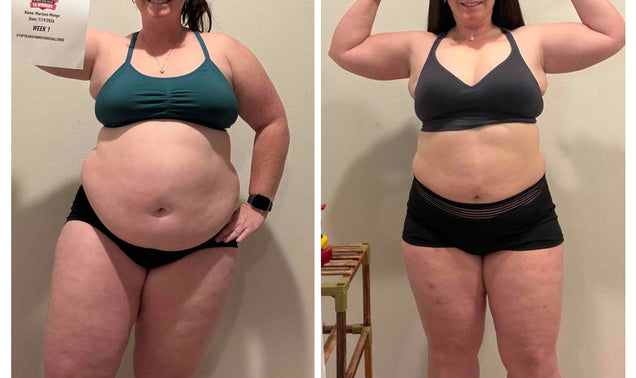
Women focused on fat loss and lean muscle are the primary beneficiary. Getting enough protein to protect and build lean muscle while staying in a meaningful caloric deficit is one of the hardest nutritional challenges in body recomposition. Clear protein makes it substantially easier.
People who have struggled to hit protein targets without going over on calories will find that 1UP Clear Protein removes the biggest obstacle between them and their goals.
1UP Clear Protein: 20 Grams. 80 Calories. Nothing Wasted.
With over 20,000 five-star reviews, 1UP Clear Protein is the most validated product in this category. Light, clear, easy to digest, and built around the most efficient protein-to-calorie ratio available.


