

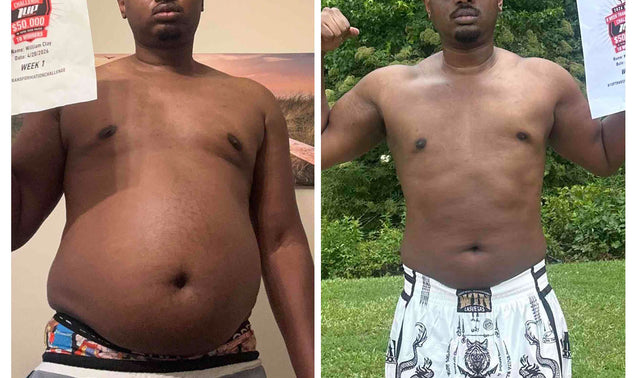


Working out is only half the battle when it comes to achieving your fitness goals. You also need to fuel your body with the right amounts of protein, carbohydrates and healthy fats. These macronutrients play a crucial role in recovery, muscle repair, and replenishing energy stores.
So, whether you're hitting the gym for strength training, going for a run, or practicing yoga, you need to make sure you’re eating the right foods as it can help reduce soreness, boost future performance, and support overall health.
In this blog, we'll break down the essentials of what to eat after exercising, backed by insights from industry experts, and highlight common pitfalls to avoid so you can keep crushing your workouts!
Why Post-Workout Nutrition Matters
After a hard workout, your body is in need of proper nutrition. Intense exercise, such as resistance training or interval training, depletes glycogen (stored energy in muscles) and breaks down muscle tissue (catabolism).
To replenish these energy stores, halt muscle breakdown, ignite muscle protein synthesis, and rehydrate your body, you need to consume the right foods. Skipping a post-workout meal may lead to prolonged fatigue, slower recovery, increased muscle soreness and even muscle loss over time.
What to Eat After a Workout: Focus on the Three Rs—Refuel, Repair, Rehydrate
To fuel recovery, you need to focus on three factors:
- Protein for muscle repair
- Carbohydrates for energy restoration
- Fluids for rehydration.
Proteins: The Building Blocks
Intense exercise, such as resistance training, is a powerful (and beneficial, stressor to your body, one that ignites protein synthesis, but also leads to muscle breakdown and creates microtears in muscle fibers.
Consuming protein after your workout is critical for stopping protein breakdown, repairing muscle tissue, and promoting growth. Exercise studies and fitness experts recommend consuming between 20-40 grams of protein after your workout to capitalize on the “post workout window”.
Ideally, you should select a high-quality source of protein that’s naturally rich in leucine -- the “king” of amino acids that kickstarts protein synthesis and recovery. The best protein sources are “complete” proteins, those that include all nine essential amino acids (EAAs) your body needs to fuel protein synthesis. A few of our favorites are:
- Lean red meat (beef, venison, elk, pork)
- Poultry (chicken, turkey, etc.)
- Fish (salmon, mahi mahi, tuna, etc.)
- Shellfish (oysters, shrimp, clams, scallops, etc.)
- Eggs and egg whites
- Dairy (Greek yogurt, cottage cheese, low-fat milk)
Protein powder also offers an excellent option, which is why it’s been the go-to post-workout protein for decades. 1UP Nutrition offers a diverse range of high-quality, lab-tested protein powders including whey protein, isolate protein, vegan protein, and clear protein.
Carbs Help Muscles Recover
Carbohydrates provide the main source of energy for your muscles during moderate-to-high intensity exercise. During your workout, your body relies on glycogen, a stored form of glucose found in your liver and muscles. The longer and harder you exercise, the more glycogen that is depleted (and more calories burned!).
Eating carbohydrate-rich foods after a workout helps replenish glycogen stores, stop muscle protein breakdown, and reduce delayed onset muscle soreness (DOMS).
There are two main types of carbohydrates you can choose from: simple carbs and complex carbohydrates.
Simple carbs are sugars that are rapidly digested causing a quick rise (spike) in insulin levels and blood sugar. If you have multiple bouts of training or competition in a day, then you will want to supplement with some simple sugars during and after your workout to quickly replenish energy stores so that you can be ready for your next game/workout. In these instances, we suggest having a serving (or two) of Tri-Carb, a novel blend of three high-performance carbohydrates + electrolytes to keep your mind and muscles running optimally during intense training and competition.
Otherwise, the bulk of your carbohydrate intake should come from unprocessed or minimally processed whole grains, fruits, vegetables, legumes, nuts, and seeds. These foods provide sustained energy along with fiber (which helps keep you full), vitamins, minerals, and antioxidants.
Healthy Fats May Help
Fats are an essential macronutrient needed for hormone production, vitamin absorption, cell membrane integrity, and energy production. They aren’t critical to have immediately post workout as they can slow down digestion, thereby delaying how quickly protein and carbohydrates get to your muscles. In other words, it’s OK to have some fats in your post-workout meal, but it isn’t necessary.
Outside of the post workout window, focus on high-quality fats, including:
- Avocados
- Nuts
- Seeds
- Olives/olive oil
- Fish (salmon, mackerel, herring, anchovies, etc.)
- Butter/ghee
- Full-fat dairy (milk, cheese, yogurt, etc.)
Hydration and Electrolytes
During a hard workout, you lose both water and electrolytes. Experts recommend rehydrating with 16-24 ounces of fluid per pound lost during exercise. Make sure to add electrolytes (sodium, potassium, magnesium, chloride) after particularly sweaty sessions as this helps restore fluid balance in the body and prevent muscle cramps.
1UP Hydration Plus is a precision electrolyte supplement developed to deliver the right ratios of the most critical minerals your muscles need to train hard and recover efficiently. In addition to essential electrolytes, every serving also includes important vitamins as well as hydration aids in coconut water powder and taurine.
Sample Post-Workout Meals and Snacks
Here are some balanced ideas to get you started:
- Quick Snacks: Greek yogurt with berries and granola; smoothie with protein powder, frozen blueberries, flax seeds, and milk; hard-boiled eggs + banana; protein bar
- Full Meals: Grilled salmon with sweet potato and broccoli; egg omelet with avocado on whole-grain toast; quinoa bowl with chicken, veggies, and pecans; grilled chicken sandwich on whole-grain bread + side salad.
- Vegetarian Options: Scrambled tofu with veggies and tahini; oatmeal with vegan protein powder fruit and nuts; hummus with whole-grain pita and veggies.
What to Avoid: Don't Sabotage Your Efforts
Not all foods are recovery-friendly. Some can cause inflammation, digestive issues, or empty calorie intake that derails your progress. These foods often lack the essential protein, vitamins, and minerals required for effective muscle repair and overall health.
- Sugary Foods and Drinks: Skip candies, pastries, sodas, and energy drinks. They spike blood sugar and add inflammation without nutrients.
- Fried and High-Fat Foods: Avoid fried chicken, fries, or anything heavy in saturated fats like butter or shortening, as they can upset digestion and slow recovery.
- Processed Meats and Junk: Hot dogs, bacon, pizza, chips, and baked goods with added sugars or trans fats provide little value and can hinder muscle repair.
- Alcohol: It interferes with protein synthesis and sleep, so save the post-gym beer for another time.
The Bottom Line on What to Eat After a Workout
Post-workout nutrition isn't about strict rules but smart choices that align with your goals. By emphasizing nutrient-dense foods and avoiding processed junk, you'll recover faster, feel stronger and get better results.
Experiment with these suggestions, track how your body responds, and adapt based on your preferences/goals.
Remember, consistency in both exercise and nutrition is key to long-term success, and we’re here to help you every step of the way!


